Blog
Explore the latest insights, trends, and stories on our Blog.
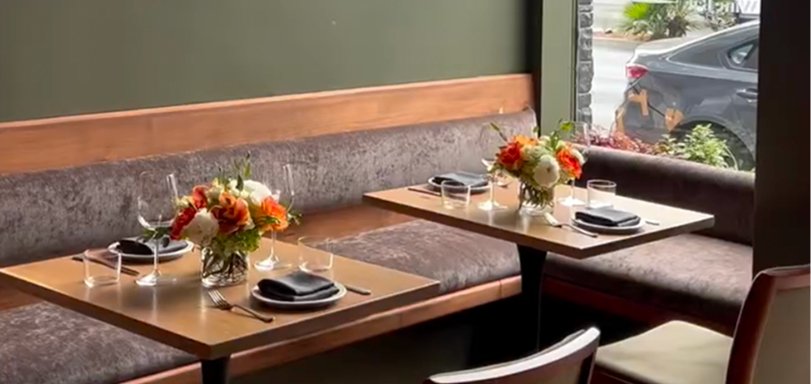
When it comes to wine, what’s in your glass matters—but so does the glass itself. The shape, size, and design of stemware can dramatically influence aroma, flavor, and overall experience. Whether you’re sipping casually or hosting a tasting, understanding the different types of wine glasses helps you get the most out of every pour.
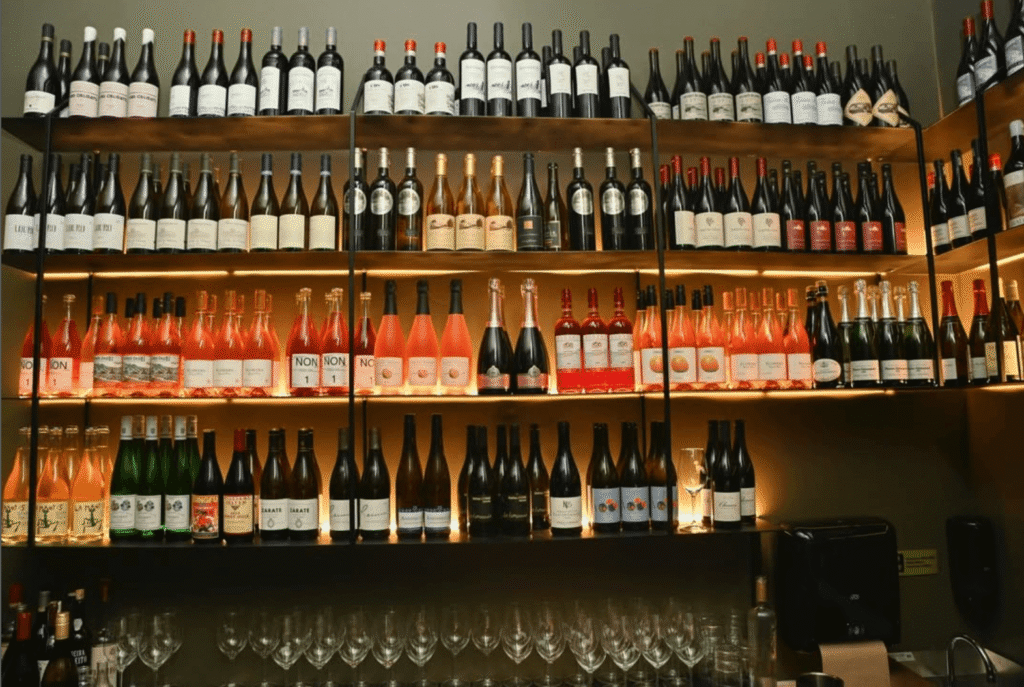
“In a world older and more complete than ours they move finished and complete, gifted with extensions of the senses we have lost or never attained, living by voices we shall never hear.”
— Olivia Rhye, Product Designer
Wine glasses are designed to enhance specific characteristics of a wine. The bowl size controls how much air the wine interacts with, the rim directs aromas, and the stem prevents your hand from warming the wine too quickly.
In short: the right glass elevates the wine.
Red wines typically benefit from larger bowls, allowing more oxygen to soften tannins and release complex aromas.
Tall with a broad bowl, this glass is ideal for full-bodied reds like Cabernet Sauvignon or Merlot. The shape directs wine to the back of the mouth, balancing bold tannins.
Wider and more rounded, this glass suits delicate reds like Pinot Noir. The larger surface area enhances aroma and nuance.

White wines are generally served in smaller bowls to preserve freshness and acidity.
U-shaped with a smaller bowl, perfect for Sauvignon Blanc or Pinot Grigio. It helps maintain cooler temperatures and crisp notes.
Slightly larger than a standard white glass, allowing fuller-bodied whites to breathe and develop richer textures.
Sparkling wines require glasses that preserve bubbles and showcase elegance.
Tall and narrow, the flute keeps carbonation intact and highlights the wine’s effervescence—perfect for Champagne or Prosecco.
A shallow, wide bowl often associated with vintage style. While visually striking, it allows bubbles to dissipate quickly.
Rosé glasses usually feature a slight taper or flared lip, helping to balance fruitiness and acidity while directing aromas toward the nose.
If you prefer simplicity, a universal glass is designed to work across most wine styles. It offers a balanced shape that enhances both aroma and flavor without needing multiple glass types.
The traditional choice. The stem prevents heat transfer and allows for elegant handling—especially important for temperature-sensitive wines.
Modern and casual. While easier to store and less prone to tipping, they can warm the wine more quickly.
You don’t need a dozen different glasses to enjoy wine. Start with:
From there, build your collection based on what you drink most.
Great wine deserves the right glass. Whether you’re exploring biodynamic bottles or classic vintages, choosing proper stemware enhances every sip—from aroma to finish.
Because at the end of the day, wine isn’t just tasted—it’s experienced.