Blog
Explore the latest insights, trends, and stories on our Blog.
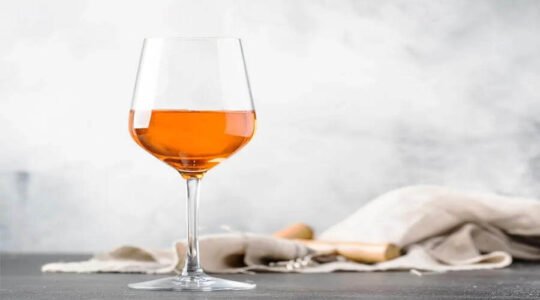
Wine tasting can seem intimidating at first.
You may hear people describing wines with terms like “mineral-driven,” “structured,” or “notes of blackberry and cedar,” and wonder if you’re supposed to taste all those things too.
The good news is that wine tasting doesn’t require special expertise, a sophisticated palate, or years of experience. In fact, the best way to enjoy wine is simply to stay curious and pay attention to what you like.
Whether you’re visiting a wine bar for the first time or looking to gain more confidence when ordering wine, this beginner’s guide will help you understand the basics and enjoy the experience without feeling overwhelmed.
One of the biggest misconceptions about wine is that there is a “right” way to taste it.
There isn’t.
Everyone experiences wine differently. Your goal isn’t to identify every flavor or impress anyone with technical terminology. The goal is simply to discover what you enjoy.
The more wines you taste, the more comfortable and confident you’ll become.
Before taking your first sip, spend a moment observing the wine.
Notice:
White wines may range from pale straw to deep golden hues.
Red wines can vary from light ruby to deep purple.
While appearance won’t tell you everything about a wine, it can provide clues about its style and age.
Most importantly, it encourages you to slow down and engage with the experience.
Swirling the wine helps release aromas.
You don’t need an elaborate technique. A gentle swirl is enough to expose the wine to oxygen and allow its aromas to become more noticeable.
This simple step can dramatically enhance the tasting experience.
If you’re new to wine, don’t worry about looking like an expert. Everyone starts somewhere.
A large part of what we perceive as flavor actually comes from aroma.
Before tasting, bring the glass to your nose and take a gentle smell.
You might notice:
There are no wrong answers.
One person may smell strawberries while another notices cherries. Both observations can be valid.
The goal is simply to identify aromas that stand out to you.
Now comes the most enjoyable part.
Take a small sip and allow the wine to move across your palate.
Ask yourself:
You don’t need to identify specific tasting notes immediately.
Simply focus on how the wine makes you feel.
As you taste more wines, you’ll begin noticing four important characteristics.
Acidity gives wine freshness and energy.
High-acid wines often feel bright, crisp, and refreshing.
Think of the sensation you get from biting into a lemon or green apple.
Many beginners assume all wine is dry, but sweetness levels vary significantly.
Some wines contain noticeable residual sugar, while others are completely dry.
Neither style is better—the best choice is the one you enjoy.
Tannins are commonly found in red wines.
They create a drying sensation in your mouth, similar to strong black tea.
Wines like Pinot Noir tend to have softer tannins, while Cabernet Sauvignon often has more pronounced tannic structure.
Body refers to how heavy or light a wine feels.
Light-bodied wines feel delicate and refreshing.
Full-bodied wines feel richer and more substantial.
Understanding body can help you identify the styles you naturally gravitate toward.
If you’re new to wine, consider starting with approachable styles such as:
These wines are often fruit-forward, balanced, and easy to enjoy.
One of the best ways to learn about wine is to talk to the people serving it.
Wine professionals and wine bar staff are there to help.
A simple question like:
“I usually enjoy lighter wines. What would you recommend?”
can lead to discoveries you may never have made on your own.
Most wine lovers enjoy sharing their knowledge and helping others explore.
Wine becomes even more enjoyable when paired with food.
Some beginner-friendly pairings include:
Food changes the way wine tastes and often highlights flavors you may not notice otherwise.
At the end of the day, wine tasting isn’t about memorizing terminology or identifying every aroma.
It’s about discovering wines that bring you enjoyment.
The more you explore, the more your preferences will develop naturally.
Some people love crisp whites.
Others prefer bold reds.
Some discover a passion for sparkling wine or natural wine.
There is no correct answer.
The best wine is simply the one that makes you want another sip.
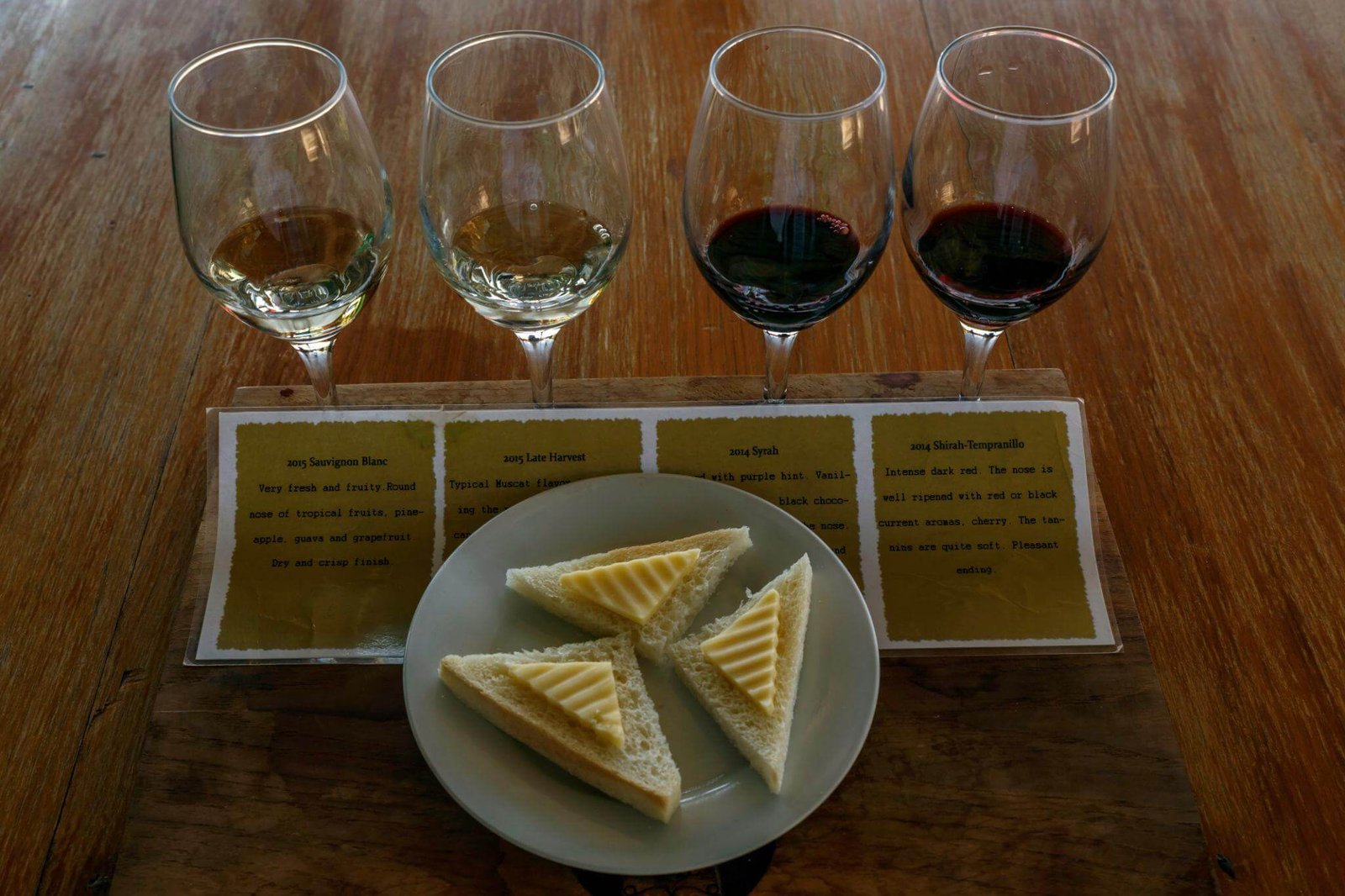
So order the flight, ask questions, try something new, and enjoy the experience.
That’s how every wine enthusiast starts.