Blog
Explore the latest insights, trends, and stories on our Blog.
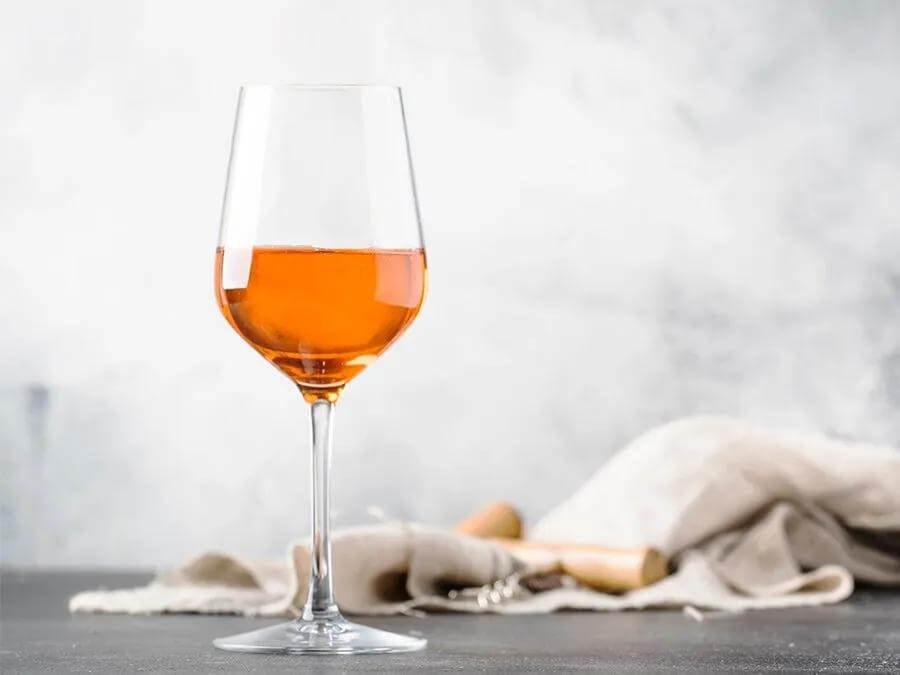
If you’ve visited a modern wine bar recently, chances are you’ve seen orange wine on the menu.
Its name sparks curiosity. Its color stands out in the glass. And its growing popularity has made it one of the most talked-about styles in the wine world.
But despite the name, orange wine isn’t made from oranges.
In fact, it’s one of the oldest styles of wine production in history.
So what exactly is orange wine, and why has it become such a favorite among wine enthusiasts, sommeliers, and curious newcomers alike?
Let’s explore.
Orange wine is made from white wine grapes using a winemaking technique traditionally associated with red wine.
In most white wine production, grape skins are removed shortly after pressing. The juice then ferments without extended contact with the skins.
Orange wine takes a different approach.
The skins remain in contact with the juice during fermentation—sometimes for days, weeks, or even months.
This process is known as skin-contact fermentation, and it gives the wine its distinctive color, texture, and flavor profile.
The resulting wine often ranges from deep golden to amber-orange hues.
The term “orange wine” refers to the wine’s color, not its ingredients.
Depending on the grape variety and length of skin contact, orange wines can appear:
The striking appearance is often the first thing people notice when the wine arrives at the table.
It’s visually unique and immediately sparks conversation.
While orange wine may feel trendy, the technique itself is ancient.
Some historians trace skin-contact white winemaking back thousands of years to regions such as Georgia, where wine has been produced for over 8,000 years.
In many traditional winemaking cultures, fermenting white grapes with their skins was simply the standard method.
What feels new today is actually a revival of one of the world’s oldest wine traditions.
One reason orange wine generates so much discussion is that it doesn’t fit neatly into familiar categories.
It’s not quite like white wine.
It’s not quite like red wine.
Instead, it occupies a fascinating middle ground.
Common flavor characteristics may include:
Many orange wines also have a subtle savory quality that makes them particularly interesting with food.
The texture is often more structured and grippy than a typical white wine due to the tannins extracted from the grape skins.
Orange wine offers something many wine drinkers crave: discovery.
Because it doesn’t behave like most wines people are familiar with, each bottle feels like an exploration.
Wine enthusiasts often appreciate:
For those looking to move beyond familiar Sauvignon Blancs or Chardonnays, orange wine opens an entirely new category of experiences.
Often, yes.
Many orange wines are produced by winemakers who embrace low-intervention or natural winemaking philosophies.
These producers may focus on:
However, not all orange wines are natural wines.
The two categories overlap frequently but are not identical.
Orange wine refers to the production method.
Natural wine refers to a broader philosophy of winemaking.
One of orange wine’s greatest strengths is its versatility at the table.
Because it combines characteristics of both white and red wines, it pairs well with a wide range of foods.
Popular pairings include:
The wine’s texture complements both soft and aged cheeses beautifully.
Orange wine can stand up to cured meats without overpowering them.
Olives, roasted vegetables, hummus, and herb-driven dishes often pair exceptionally well.
The wine’s structure and fruit character make it surprisingly compatible with many spicy dishes.
Its versatility makes orange wine a favorite in wine bars that emphasize sharing and exploration.
Absolutely.
While some orange wines can be quite bold and complex, many are approachable and fruit-forward.
If you’re curious but hesitant, ask for a recommendation from your wine bar based on wines you already enjoy.
A good introduction might feature:
Many first-time drinkers are surprised by how enjoyable and food-friendly orange wine can be.
Orange wine arrives at the perfect moment in modern wine culture.
Today’s wine drinkers are increasingly interested in:
Orange wine checks all of those boxes.
It offers a connection to ancient traditions while feeling fresh and contemporary.
It invites conversation, experimentation, and discovery.
Most importantly, it reminds us that wine can still surprise us.
If you’ve never tasted orange wine before, the answer is simple: yes.
You don’t need to be a wine expert.
You don’t need to understand every technical detail.
All you need is curiosity.
Order a glass.
Share it with friends.
Pair it with a cheese board.
Take your time.
You may discover a style of wine unlike anything you’ve tasted before—and understand exactly why everyone is talking about it.