Blog
Explore the latest insights, trends, and stories on our Blog.
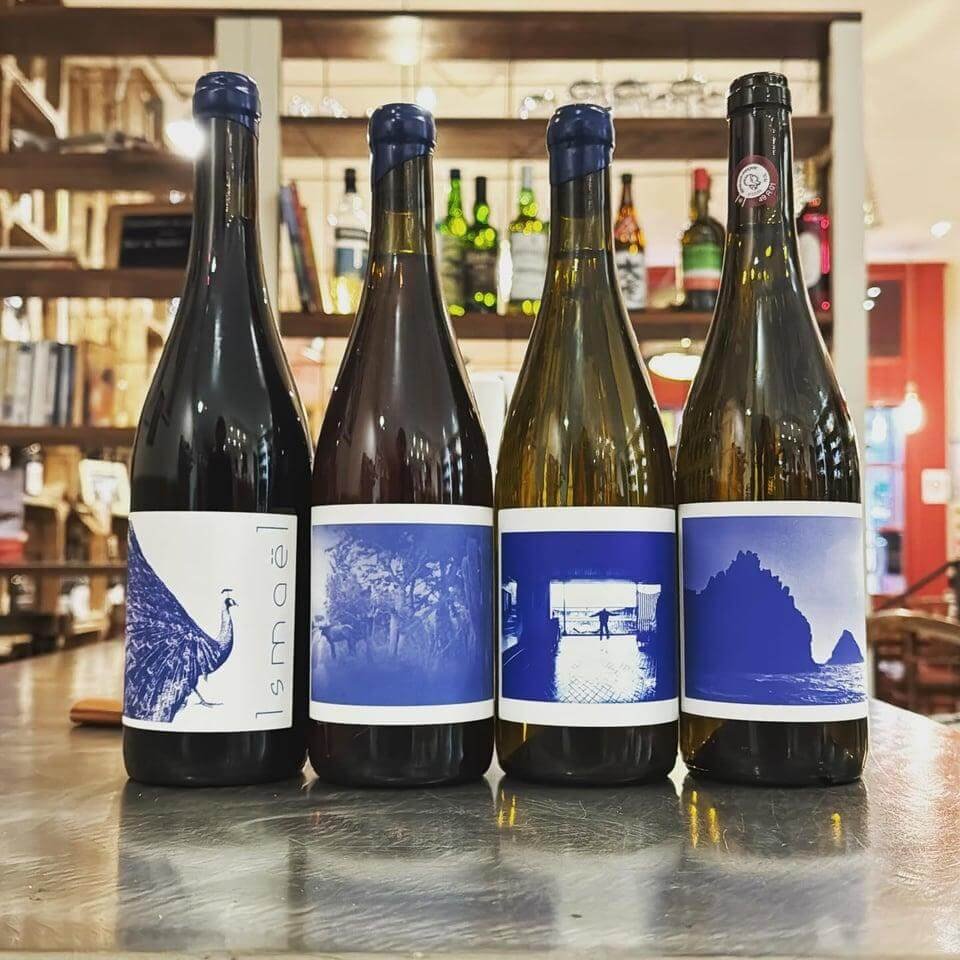
Over the past few years, natural wine has become one of the most talked-about topics in the wine world. Walk into many modern wine bars and you’ll likely see natural wines featured prominently on the menu alongside more traditional selections.
But what exactly is natural wine?
And how does it differ from traditional wine?
For many wine drinkers, the distinction can feel confusing. The good news is that understanding the basics doesn’t require extensive wine knowledge. Once you know the key differences, exploring both styles becomes much more enjoyable.
Traditional wine refers to the vast majority of wines produced around the world.
These wines are made using established winemaking techniques that may include:
It’s important to note that “traditional” doesn’t mean low quality. Many of the world’s most respected wineries use these methods to create exceptional wines.
The goal is often consistency, stability, and predictability from one vintage to the next.
When you purchase a bottle from a well-known producer, you generally know what to expect.
Natural wine is produced with minimal intervention both in the vineyard and in the winery.
While there is no single legal definition, most natural winemakers focus on:
The philosophy behind natural wine is simple: allow the grapes and vineyard to express themselves as authentically as possible.
Rather than controlling every aspect of production, natural winemakers embrace variation and allow nature to play a larger role in the final product.
One of the biggest distinctions begins before the grapes are even harvested.
Many natural wine producers place significant emphasis on sustainable farming practices.
Healthy vineyards often encourage:
While many traditional wineries also farm responsibly, natural wine producers tend to make vineyard practices a central part of their identity.
Fermentation is where grape juice becomes wine.
Traditional wineries often use cultivated yeast strains selected for reliability and consistency.
Natural winemakers frequently rely on native yeast that occurs naturally on grape skins and within the winery environment.
Supporters of native fermentation believe it creates wines that better reflect their place of origin.
The trade-off is that fermentation can be less predictable, resulting in wines that vary more from year to year.
One of the first things many people notice about natural wine is that it can look different.
Because many natural wines are unfiltered, they may appear:
This is completely normal.
Flavor profiles can also differ significantly.
Natural wines are often described as:
Some bottles showcase earthy, savory, or funky characteristics that are less common in traditional wines.
Traditional wines, by contrast, often emphasize balance, clarity, and consistency.
Neither approach is inherently better—they simply offer different experiences.
Natural wine has developed a passionate following because many people appreciate its sense of authenticity and discovery.
Fans often enjoy:
For many, every bottle tells a story.
Natural wine encourages curiosity and exploration rather than strict expectations.
Traditional wines continue to dominate the global wine market for good reason.
They offer:
Whether you’re enjoying a classic Napa Valley Cabernet Sauvignon, a Burgundy Pinot Noir, or an Italian Barolo, traditional winemaking methods have produced many of the world’s most celebrated wines.
These wines often provide a familiar and dependable experience.
The answer is simple:
Neither.
Natural wine and traditional wine are not competitors. They’re different expressions of the same craft.
Some evenings call for a classic, polished wine with decades of winemaking tradition behind it.
Other times, a vibrant natural wine may offer something surprising and memorable.
Many wine lovers enjoy both styles depending on the occasion.
The most rewarding approach is to remain open-minded and explore a variety of wines.
If you’re curious about natural wine, start with approachable styles.
Look for:
Ask your local wine bar for recommendations based on wines you already enjoy.
Most wine professionals are happy to guide you toward bottles that match your preferences.
The goal isn’t to replace traditional wine—it’s simply to expand your horizons.
At its core, wine is about exploration.
Every bottle reflects choices made in the vineyard, the winery, and the region where the grapes were grown.
Natural wine and traditional wine represent different philosophies, but both can produce extraordinary results.
The best way to understand the difference isn’t by reading about it.
It’s by pouring a glass of each, tasting them side by side, and deciding what speaks to you.
Because in the end, the most important opinion is your own.