Blog
Explore the latest insights, trends, and stories on our Blog.
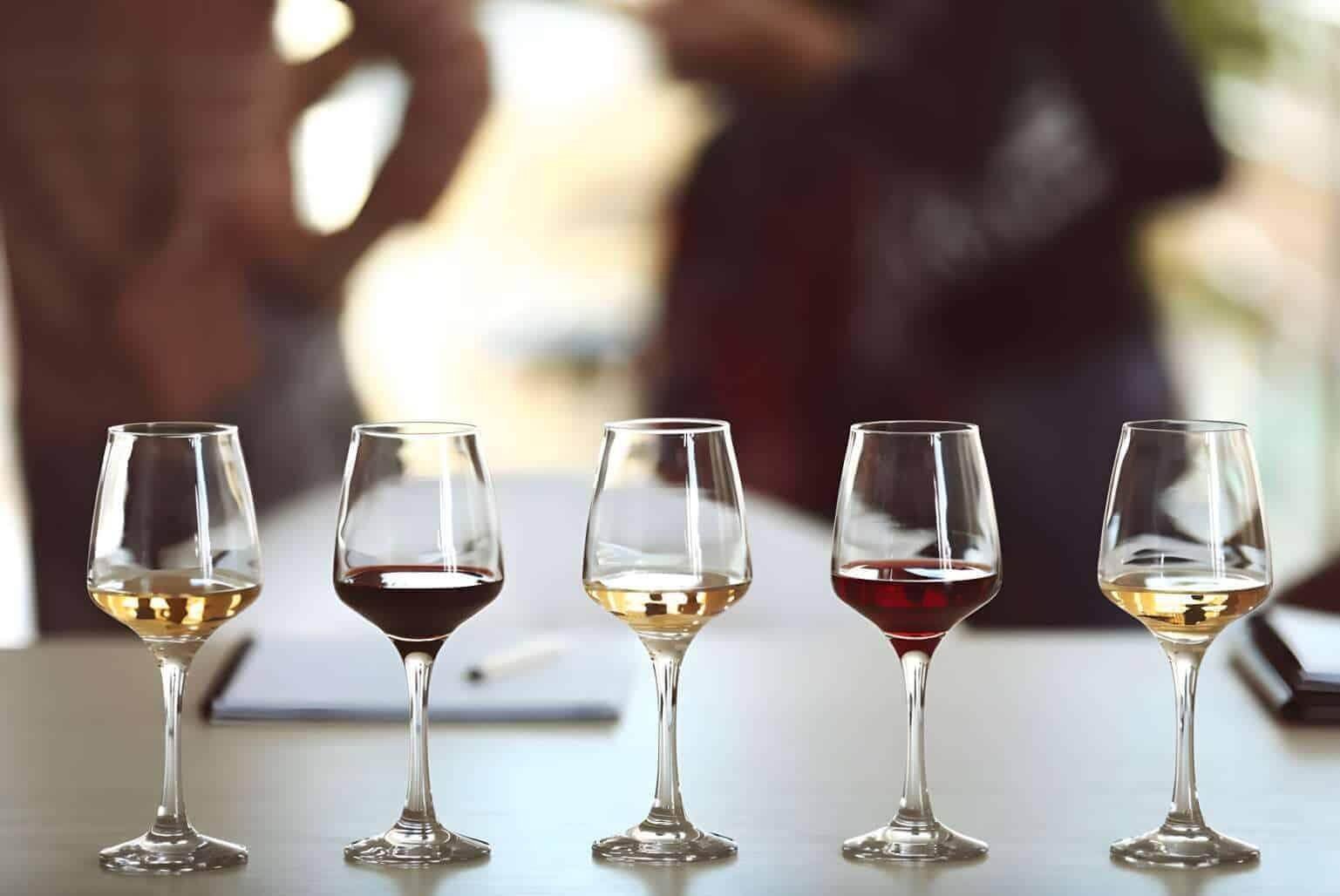
Walking into a wine bar for the first time can feel overwhelming.
Rows of unfamiliar bottles, complicated wine lists, and tasting notes that mention everything from “wet stone” to “forest floor” can make wine seem more complicated than it really is.
The truth is simple: enjoying wine doesn’t require expertise.
Whether you’re exploring wine for the first time or trying to discover what styles you actually enjoy, the best approach is to start with approachable wines that are balanced, food-friendly, and easy to drink.
At our wine bar in the Mission District, we love helping guests discover wines that feel exciting without feeling intimidating.
Here’s a beginner-friendly guide to some of the best wines to start with.
When people say they “don’t like wine,” they often simply haven’t found the right style yet.
For beginners, it’s usually best to avoid wines that are:
Instead, look for wines that feel:
Pinot Noir is often one of the easiest red wines to enjoy.
Why beginners love it:
It pairs beautifully with:
Pinot Noir is elegant without feeling too heavy, making it perfect for relaxed evenings and casual dinners.
Known for being fresh, juicy, and approachable, Gamay is ideal for people who find bold reds overwhelming.
Expect:
Many natural wine bars in San Francisco serve Gamay slightly chilled, making it especially enjoyable on warmer evenings.
Merlot has a reputation for being smooth and easy-drinking for a reason.
It typically offers:
For beginners looking for a richer red without excessive dryness, Merlot is often a comfortable starting point.
If you enjoy crisp, refreshing drinks, Sauvignon Blanc is an excellent first white wine.
Typical flavors include:
Its bright acidity makes it especially refreshing alongside seafood, salads, and lighter dishes.
Not all Chardonnay tastes buttery or heavy.
Unoaked Chardonnay offers a cleaner, fresher style with:
This style is much more approachable for beginners who want a softer white wine without overwhelming oak flavors.
Riesling is one of the most underrated beginner wines.
Many styles are slightly off-dry, meaning they contain a touch of sweetness that balances acidity beautifully.
Riesling pairs especially well with:
It’s aromatic, refreshing, and surprisingly versatile.
Natural wine has become increasingly popular throughout the Mission District and across San Francisco.
For beginners, natural wine can feel exciting because it often tastes:
A few approachable natural wine styles include:
The key is finding a wine bar where staff can guide you toward styles that match your taste preferences rather than overwhelming you with technical details.
One of the biggest myths about wine is that there’s a “correct” way to enjoy it.
In reality:
Some people love crisp whites immediately.
Others prefer lighter reds or sparkling wines.
Your palate develops naturally over time.
The goal isn’t to impress anyone — it’s to discover wines you genuinely enjoy drinking.
Some of the best wine experiences happen casually:
In neighborhoods like the Mission District, wine culture has become less formal and more social, approachable, and welcoming.
That’s part of what makes neighborhood wine bars special.
They create space for conversation, discovery, and relaxed evenings without pressure or pretension.
The Best Beginner Wine Is the One You Enjoy
At the end of the day, the “best” wine for beginners isn’t about ratings, price, or expertise.
It’s the wine that makes you want another sip.
Start simple.
Stay curious.
Try different styles.
And most importantly — enjoy the experience.
Because wine should always feel inviting, never intimidating.